What is a Rubber Slitting Machine and How Does It Work?
A Rubber Slitting Machine is essential in the rubber processing industry. Experts, like John Smith, a machinery engineer, emphasize its importance. He states, "Accuracy in slitting determines end product quality." This highlights the machine's crucial role.
In a production line, the Rubber Slitting Machine cuts large rubber sheets into precise strips. It ensures uniformity, impacting further processing stages. Each cut matters, as irregularities can lead to wastage. Poorly calibrated machines may produce uneven strips. This can complicate manufacturing.
The technology behind the Rubber Slitting Machine involves rotating blades and guiding systems. These components work together to deliver efficiency. Yet, operators must regularly check settings to maintain quality. It's a constant learning process. In this field, staying updated with advancements can reduce errors and enhance output. The journey towards perfection in rubber slitting continues, calling for both skill and precision.
What is a Rubber Slitting Machine?
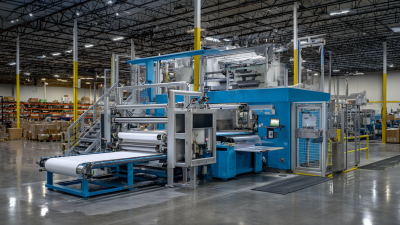
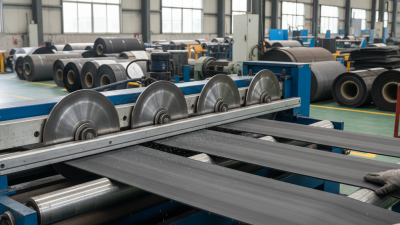
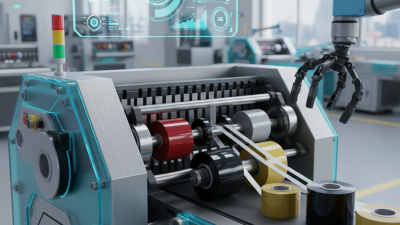
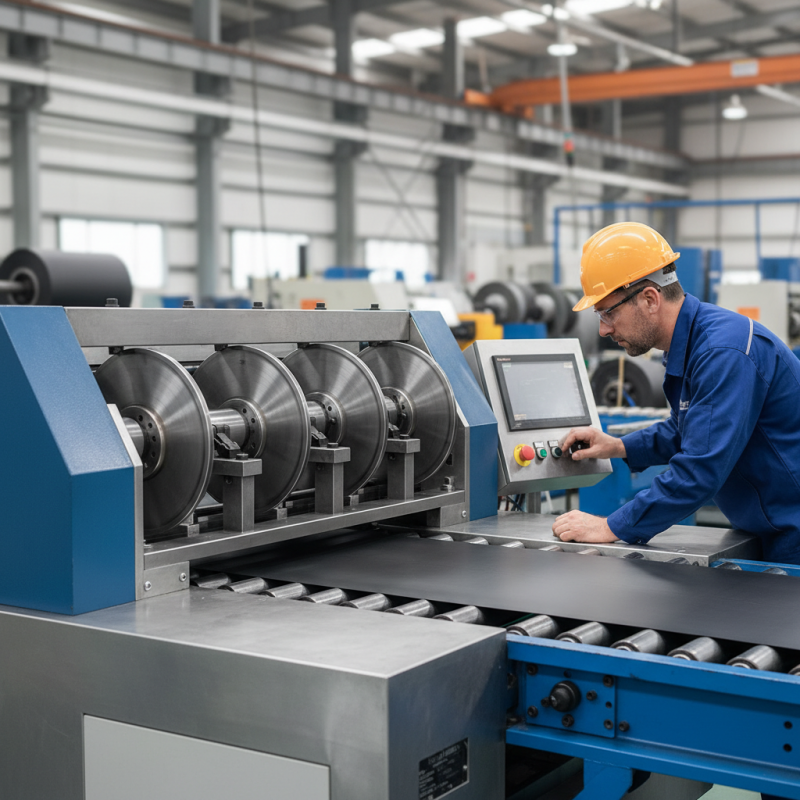
A rubber slitting machine is a crucial piece of equipment in the rubber processing industry. It is designed to cut large rolls of rubber sheets into narrower strips. These strips are often used in various applications, from manufacturing seals to creating gaskets. The machine operates by passing the rubber through sharp blades, which slice it into the desired widths.
The setup often includes adjustable rollers, allowing for precise slicing. Users can control the thickness of the cuts easily, ensuring consistency. However, the blades require regular maintenance. Dull blades can lead to uneven cuts and waste. Operators must monitor the machine closely, as improper settings can result in material loss.
Overall, the rubber slitting machine plays a significant role in optimizing production efficiency. Despite its importance, many operators underestimate its impact. An efficient slitting process can enhance product quality and reduce scrap material. Investing time in understanding this machine can yield long-term benefits.
What is a Rubber Slitting Machine?
| Feature |
Description |
Applications |
Specifications |
| Functionality |
Cuts rubber sheets into desired widths. |
Manufacturing, automotive, and textiles. |
Width range: 10 mm to 1500 mm. |
| Types |
Rotary, reciprocating, and blade types. |
Used in various industries for different materials. |
Thickness capacity: up to 50 mm. |
| Technology |
Includes advanced control systems for precision cutting. |
High-volume production environments. |
Speed: up to 120 m/min. |
| Maintenance |
Regular checks and blade replacements are essential. |
Critical for keeping production efficient. |
Maintenance schedule: every 500 cuts. |
| Safety Features |
Emergency stop buttons and protective shields. |
Ensures operator safety during operation. |
Complies with safety regulations. |
The Components of a Rubber Slitting Machine
A rubber slitting machine is essential in various industries. It primarily cuts rubber materials into specified widths. Understanding its components helps in comprehending its functionality.
At the core of the machine is the cutting mechanism. This typically involves sharp blades that slice through rubber with precision. The blades need regular maintenance for optimal performance. Poorly maintained blades can lead to uneven cuts. That could waste materials and time.
Another vital component is the feeding system. It guides rubber sheets into the cutting area. If the feed is misaligned, it can cause jams. These interruptions could impact productivity. Additionally, an adjustable tension system ensures that the rubber is neither too loose nor too tight. Proper tension is crucial; incorrect settings might affect the accuracy of the cuts. Overall, while a rubber slitting machine appears straightforward, its components require regular attention to ensure efficiency.
How a Rubber Slitting Machine Operates
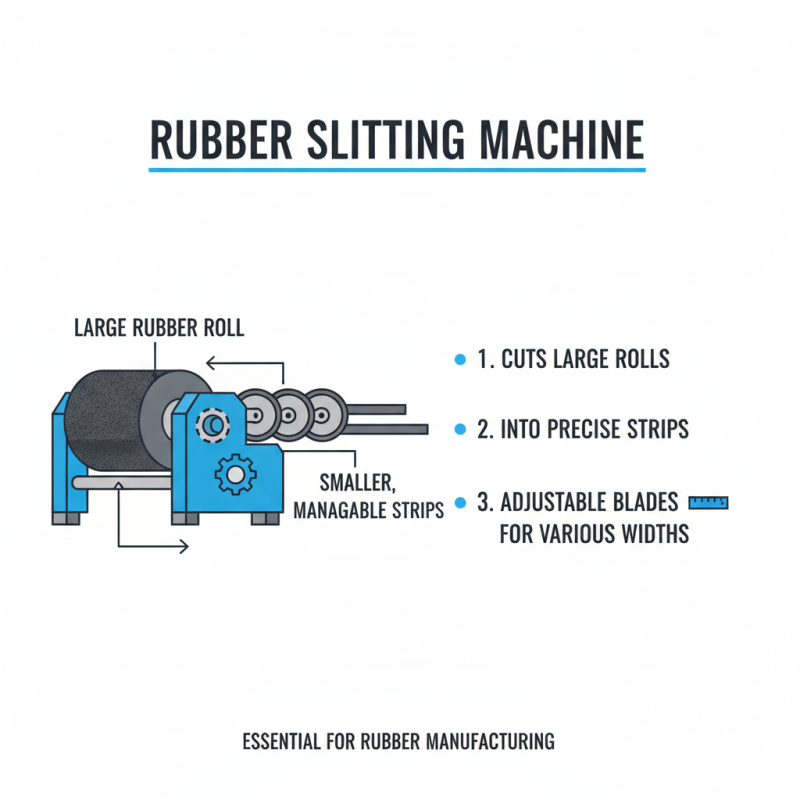
A rubber slitting machine is essential in the rubber manufacturing industry. It cuts large rolls of rubber into smaller, more manageable strips. This process ensures that manufacturers can work with precise sizes of rubber for their specific needs. The machine operates by feeding the rubber roll through sharp blades. These blades are adjusted to achieve various cutting widths.
During the operation of a rubber slitting machine, timing is crucial. The feeding speed must match the blade rotation speed. If not, the cuts can become uneven, leading to waste. Operators often monitor the process closely, making adjustments as necessary. Sometimes, rubber can jam or distort during cutting. Such issues require immediate attention.
The machine employs a series of rollers to guide the rubber as it is cut. Proper alignment is vital to avoid errors. Operators need training to understand these mechanisms. An occasional oversight could lead to defects in the final product. Reflection on these daily challenges helps improve efficiency and reduce errors over time.
Applications of Rubber Slitting Machines in Industry
Rubber slitting machines have versatile applications across various industries. They are primarily used to cut rubber sheets into narrower strips or smaller pieces. These machines are vital in the manufacturing of tires, belts, and gaskets. With precision cutting, rubber is tailored to meet specific requirements for different products.
In the automotive sector, slitting machines play a critical role. They ensure that rubber components fit seamlessly in vehicles. This enhances durability and performance. Additionally, industries like footwear and packaging also rely heavily on slitting technology. It allows manufacturers to create custom-sized rubber materials efficiently.
Despite their efficiency, rubber slitting machines sometimes face challenges. Adjusting blade settings can be tricky. Inconsistent cutting might occur if not monitored closely. Manufacturers must be aware of wear and tear on the machinery. Regular maintenance is essential to avoid costly errors. Understanding these nuances can improve overall productivity.
Maintenance and Safety Considerations for Rubber Slitting Machines
Rubber slitting machines are crucial in various industries. However, neglecting maintenance can lead to costly downtimes. Regular checks are essential to ensure optimal performance. According to industry reports, nearly 30% of mechanical failures are due to inadequate maintenance. Scheduled inspections can identify wear and tear early.
Safety considerations are also paramount. Operators should wear appropriate protective equipment to prevent injuries. Rubber dust and sharp blades pose risks. Reports indicate that improper handling of slitting machines can lead to accidents, resulting in a 15% increase in workplace injuries related to machinery. Employers must prioritize training for staff on safe operating procedures.
Moreover, it's important to regularly clean and lubricate the machines. Built-up debris can affect precision. Unaddressed issues may escalate into significant problems. Monitoring temperature and vibration levels can be insightful. Some machines may be outdated and less efficient. Reflecting on these aspects can help improve overall safety and operational efficiency.
Rubber Slitting Machine Performance Analysis