What is Pneumatic Rotary Hammer Drill and Its Benefits?
The Pneumatic Rotary Hammer Drill has revolutionized the construction industry. It provides a powerful solution for heavy-duty drilling tasks. According to a recent report by the International Tool Manufacturers Association, the global market for rotary hammers is projected to reach $1.2 billion by 2025. This boom reflects the increasing demand for efficient drilling equipment.
Expert in construction tools, John Smith, emphasizes its importance: "The Pneumatic Rotary Hammer Drill allows for faster and more precise work." This statement highlights how this tool enhances productivity on job sites. In addition, these drills operate with less vibration, leading to reduced operator fatigue.
However, understanding the correct usage is essential for maximizing benefits. Misuse can lead to equipment failure or safety concerns. Ensuring proper training and equipment maintenance is crucial. By addressing these factors, professionals can leverage the full potential of the Pneumatic Rotary Hammer Drill.
What is a Pneumatic Rotary Hammer Drill?
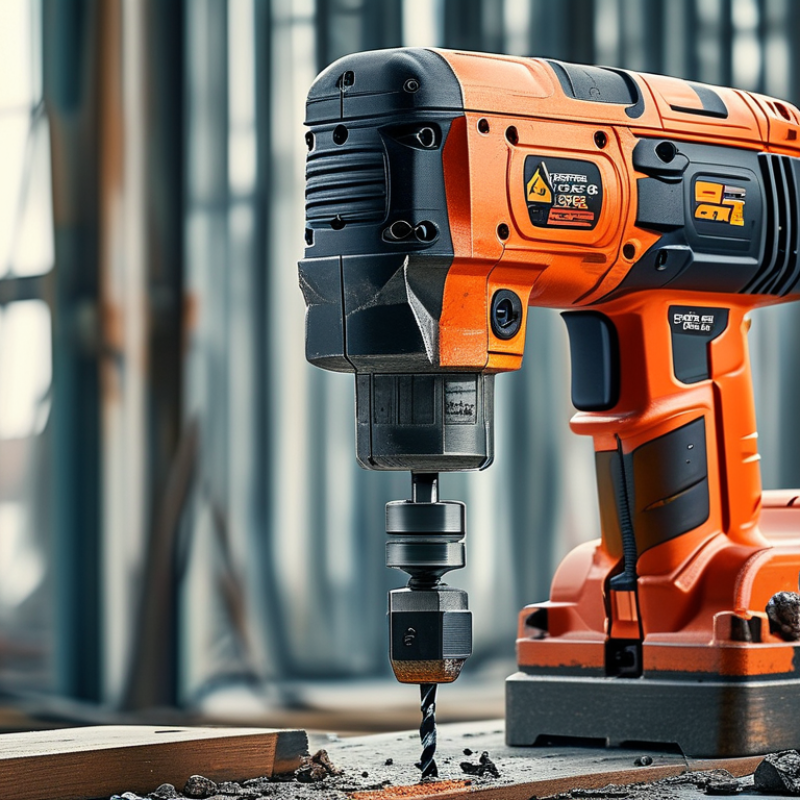
A pneumatic rotary hammer drill is a powerful tool designed for heavy-duty tasks. It operates using compressed air to deliver strong, rapid blows while drilling. This mechanism allows for effective penetration into hard materials such as concrete or stone. The high speed and force of the rotary hammer make it suitable for demanding construction jobs and renovation projects.
What sets pneumatic rotary hammer drills apart is their efficiency and reduced vibration. Craftsmen often appreciate the ergonomic design, which minimizes user fatigue during prolonged use. However, the setup can be complex, requiring air compressors for operation. Some users find the equipment bulky and less portable than electric alternatives.
Regular maintenance is essential to ensure optimal performance, as neglect can lead to decreased efficiency over time. Despite these challenges, many professionals favor pneumatic drills for their strength and reliability when tackling tough materials.
How Does a Pneumatic Rotary Hammer Drill Function?
Pneumatic rotary hammer drills are powerful tools designed for heavy-duty drilling and chipping. Their functioning is based on a simple yet effective principle. They use compressed air to produce rapid hammering actions. This enables the drill bit to penetrate hard surfaces like concrete and brick with ease. The powerful blows are delivered in quick succession, making the drilling process fast and efficient.
The operation involves a motor that drives a piston. As the piston moves, it creates a vacuum, pulling air into the chamber. Compressed air then forces the piston back, creating a rapid hammering effect. This allows the drill to deliver significant force while maintaining a manageable weight. While effective, users sometimes overlook the importance of proper handling. The need for fatigue management and ergonomic grip is crucial, especially during long tasks.
Using the tool requires a certain level of skill. Improper technique can result in inefficient drilling or even damage to the tool. Adjusting the air pressure is equally important. Too high a pressure can cause wear on the tool. While pneumatic rotary hammer drills are reliable, they demand respect and attention. Make sure to regularly inspect for maintenance needs, ensuring longevity and performance.
Pneumatic Rotary Hammer Drill Usage and Benefits
The above chart illustrates the performance and benefits of Pneumatic Rotary Hammer Drills based on five key metrics: Speed, Impact Energy, Durability, Portability, and Maintenance Cost. Each metric is rated on a scale of 1 to 10, highlighting the advantages of using pneumatic rotary hammer drills in various applications.
Key Components of a Pneumatic Rotary Hammer Drill
Pneumatic rotary hammer drills are essential tools in construction and heavy-duty tasks. Understanding their key components is crucial for effective operation. The drill's mechanism relies on compressed air, which powers the drill bit to deliver strong impacts. This function is vital for breaking through tough materials like concrete. In fact, reports suggest that pneumatic tools can reduce drilling time by up to 30%, making them indispensable on job sites.
One of the primary components is the air compressor. It provides the necessary air pressure to facilitate the hammering action. The quality of the compressor directly influences the drill's efficiency. Another important part is the drill bit itself. Various bit types cater to different materials. The selection of the right bit can impact the overall performance. Studies indicate that using the correct bit increases productivity by 25%.
However, misoperation and lack of maintenance can lead to performance issues. Operators often overlook regular checks, which can affect the tool's longevity and efficiency. Educating users about these components can help minimize errors. Proper understanding allows for better performance and ensures the tool remains reliable in demanding environments. Balancing the right technique with the right equipment is the key to successful use.
What is Pneumatic Rotary Hammer Drill and Its Benefits? - Key Components of a Pneumatic Rotary Hammer Drill
| Component |
Description |
Benefits |
| Motor |
Provides the power needed to drive the hammering mechanism. |
High power leads to efficient drilling in hard materials. |
| Hammer Mechanism |
Creates rapid impacts that break the material. |
Increased effectiveness for drilling through concrete and masonry. |
| Pneumatic System |
Uses compressed air to operate the hammer mechanism. |
Reduced operational costs and lightweight design. |
| Chisel |
The tool that penetrates the surface being drilled. |
Exchangeable for various types of tasks, increasing versatility. |
| Handle |
Provides grip and control to the user. |
Enhances safety and precision during operations. |
Benefits of Using a Pneumatic Rotary Hammer Drill
Pneumatic rotary hammer drills are essential tools in construction and demolition. They combine rotary motion with hammering actions, making them ideal for breaking concrete or masonry. These tools are known for their power and efficiency, significantly speeding up heavy-duty tasks.
One of the main benefits of using a pneumatic rotary hammer drill is their high impact energy. According to a report by the Industrial Tool Institute, these drills can deliver up to 25% more impact energy than electric models. This means they can complete jobs faster without sacrificing performance. Additionally, they often weigh less, providing better maneuverability and reducing user fatigue.
Tips: Always wear proper safety gear. Dust masks and eye protection are crucial when using these tools. Ensure the work area is clear to prevent accidents. Regular maintenance is vital. Inspect hoses and connections for wear and tear. This helps in enhancing the longevity of the tool and ensures consistent performance.
The operating costs are another factor worth considering. While pneumatic drills often require air compressors, their energy efficiency can lead to lower long-term costs. However, finding a reliable compressor can be challenging. Users should also consider their skill levels when choosing this tool, as improper handling can lead to inefficiencies. Routine practice may be necessary to master the use of pneumatic rotary hammer drills effectively.
Applications of Pneumatic Rotary Hammer Drills in Various Industries
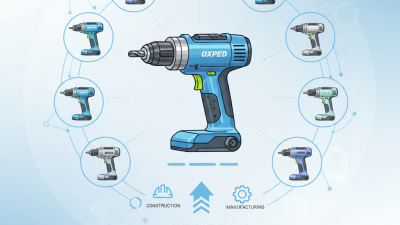
Pneumatic rotary hammer drills have become indispensable tools across various industries. Their powerful performance is particularly beneficial in construction and demolition projects. In the construction sector, these drills excel at breaking through concrete and masonry, making them essential for foundation work. According to a recent industry report, over 75% of construction professionals rely on pneumatic rotary hammers for heavy-duty applications. This reliability contributes to faster project completion times and improved labor efficiency.
In the oil and gas industry, pneumatic rotary hammer drills facilitate exploration activities. They are used for drilling into tough geological formations, helping to uncover potential reserves. A survey indicated that 68% of drilling engineers prefer pneumatic drills for their efficiency in handling hard rock. This preference underscores the drill's crucial role in reducing downtime and operational costs.
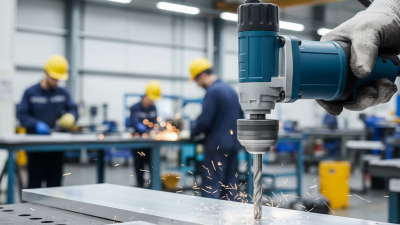
Manufacturing and maintenance sectors also benefit from pneumatic rotary hammer drills. Technicians use them for maintenance tasks involving metal and concrete surfaces. However, challenges persist; operators must be aware of noise levels and vibration issues that can affect their work. Striking a balance between efficiency and comfort remains a discussion point among industry experts.