10 Essential Tips for Choosing Your Pneumatic Rotary Hammer Drill?
Choosing the right Pneumatic Rotary Hammer Drill is crucial for your projects. This tool is essential for professionals and DIY enthusiasts alike. With so many options available, it can be overwhelming to make a choice. Knowing your needs is vital.
A Pneumatic Rotary Hammer Drill offers power and efficiency. It can handle tough materials like concrete and brick. You might find features like variable speed settings and high-impact energy invaluable. However, not all drills are created equal. Some may lack durability, while others could be too heavy for comfortable use.
Consider factors such as weight, power, and ergonomics. A well-balanced Pneumatic Rotary Hammer Drill enhances usability. You might also want to think about the drill bit compatibility. The right selection can improve your workflow. Take your time to evaluate different models. In the end, a careful choice will lead to better outcomes.
Understanding the Basics of Pneumatic Rotary Hammer Drills
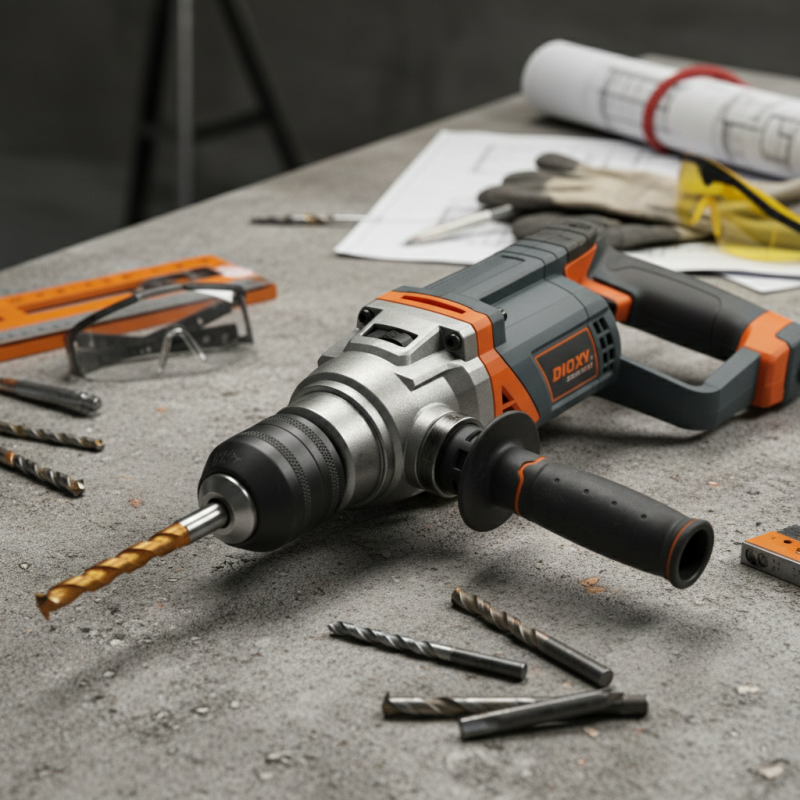
Pneumatic rotary hammer drills are powerful tools designed for heavy-duty jobs. They combine rotation and hammering, making them ideal for drilling into hard materials like concrete. Understanding how they work is essential for efficient use. These drills operate by using compressed air to generate high-impact force. The result is a tool that not only drills but also chisels effectively.
Choosing the right pneumatic rotary hammer drill can be challenging. One crucial tip is to consider the energy output, typically measured in joules. Higher energy usually means better performance. Another important factor is the weight of the drill. A heavier model may provide more power, but it can be tiring to use for extended periods.
Make sure you check for features like adjustable speed and impact settings. These can enhance versatility during various tasks. A comfortable grip is also vital. Operating a drill for long hours can lead to hand fatigue. Therefore, an ergonomic design might be worth the extra consideration. Ultimately, finding a balance between power and usability will lead to more productive work sessions.
Key Features to Look for in a Pneumatic Rotary Hammer Drill
When selecting a pneumatic rotary hammer drill, key features are essential. Focus on the power rating, measured in watts. Higher power yields better performance. Consider the hammer mechanism. A dual mode—drilling and chiseling—provides versatility. Look for a comfortable grip. This influences control and reduces fatigue during prolonged use.
Weight matters too. A lighter model offers better maneuverability, especially in tight spaces. However, balance is crucial. A well-distributed weight helps in precision tasks. Explore the impact energy measurement. More energy translates to efficient drilling in tougher materials. Additionally, consider the drill bit compatibility. Make sure it supports various sizes for different jobs.
Check for noise levels, too. Some drills can be surprisingly loud. Noise-canceling features can make a difference. Finally, pay attention to safety features. A lock mechanism prevents accidental starts. Reflect on your specific needs and work environment when selecting. The best choice may not always be the most powerful tool. Sometimes, a more user-friendly model is the right answer.
10 Essential Tips for Choosing Your Pneumatic Rotary Hammer Drill
| Key Feature |
Description |
| Power Source |
Choose a drill with a reliable power source, typically a pneumatic system for efficiency. |
| Impact Energy |
Look for a drill with a high impact energy rating for effective drilling in tough materials. |
| Weight |
Consider the weight of the drill; lighter models can be more maneuverable but may sacrifice power. |
| Ergonomics |
Choose a drill with a comfortable grip and ergonomic design to minimize user fatigue. |
| Speed Settings |
Variable speed settings allow for better control based on the material being drilled. |
| Durability |
Select a model made from high-quality materials for longevity and reliability. |
| Maintenance |
Check if the drill has easy-to-access maintenance points for upkeep. |
| Accessories |
Look for bundled accessories such as drill bits and carriers for added value. |
| Warranty |
A longer warranty can indicate the manufacturer's confidence in product quality. |
Evaluating Power and Performance Specifications
When choosing a pneumatic rotary hammer drill, power and performance are crucial. Understanding specifications can make a significant difference in your choice. A key factor is the impact energy, which varies from 1.5 to 10 joules depending on the model. Higher energy translates to better performance on tough materials.
Tips: Look for a drill with a higher bpm (beats per minute) rating. This indicates how effectively it can break through tough surfaces. Standard models offer around 400 to 3000 bpm. Models with 3000 bpm or more are suitable for heavy-duty tasks.
Another important specification to evaluate is the motor power, typically measured in watts. Most pneumatic rotary hammers fall within the 800 to 1200 watts range. Higher wattage generally means better efficiency, but it can also lead to overheating if not managed properly.
Choosing a heavier drill can indicate durability, but it might affect maneuverability. Lighter models provide ease of use but can compromise power. Balancing these factors is vital. Ultimately, consider your specific needs and the environment where the drill will be used. It’s essential to reflect on how you will use the tool before making a decision.
Budgeting: Finding the Right Balance Between Cost and Quality
When selecting a pneumatic rotary hammer drill, budgeting plays a crucial role. It’s tempting to opt for the lowest price. However, a cheaper drill may lack the durability needed for extensive use. Finding a balance between cost and quality is essential. Consider what features are necessary for your projects. This can prevent overspending on unneeded features.
Quality drills often come at a higher price. Yet, investing in a reliable option can save money in the long run. Cheaper models may require frequent repairs or replacements. This can lead to frustration and wasted time. Observe user reviews to gauge long-term performance. Not every drill that costs more is the best choice. Sometimes, you might find a moderately priced drill that fits your needs perfectly.
Evaluate your budget honestly. Can you stretch it for better quality? Reflect on how much you’ll use the drill. If it’s for occasional tasks, you might consider a simpler model. Be cautious of deals that seem too good to be true. These often equate to subpar performance or hidden costs. A thoughtful budget approach can lead to a purchase you won't regret.
Comparative Analysis of Pneumatic Rotary Hammer Drill Features