Leave Your Message

What Is a Conveyor Belt Slitting Machine Used For?

A Conveyor Belt Slitting Machine is used to divide wide conveyor belts into narrower, accurately sized strips. It supports belt manufacturers, distributors, repair workshops, and mining-equipment suppliers. The machine makes controlled longitudinal cuts while maintaining consistent width across the roll.

In practical terms, conveyor technicians use it when customers need custom belt widths. A heavy rubber belt may enter as a 2,000-millimeter roll and leave as several narrower sections. Sharp rotary knives, guided tension, and adjustable supports help reduce wandering cuts. The result is cleaner handling and fewer material losses.

“Precision slitting protects both belt performance and production value,” says David R. Miller, a conveyor-belt converting specialist with more than two decades of workshop experience. His observation reflects a basic reality: a poorly aligned cut can create uneven edges, tracking problems, and unnecessary trimming.

The machine is not simply a larger cutting tool. It must match the belt’s thickness, reinforcement, hardness, and surface structure. Steel-cord belts require different settings from textile-reinforced belts. Even temperature can affect cutting behavior.

Small errors become expensive.

A reliable Conveyor Belt Slitting Machine improves repeatability, workplace efficiency, and order flexibility. It can also reduce manual cutting risks when operators follow proper guarding, inspection, and maintenance procedures. Still, no machine removes the need for judgment. Knife wear, uneven tension, and rushed measurements can compromise the finished belt.

This article explains what the machine is used for, how its cutting process works, and which operating factors influence final quality. Some applications look straightforward. They are not always.
What Is a Conveyor Belt Slitting Machine Used For?

What Is a Conveyor Belt Slitting Machine?

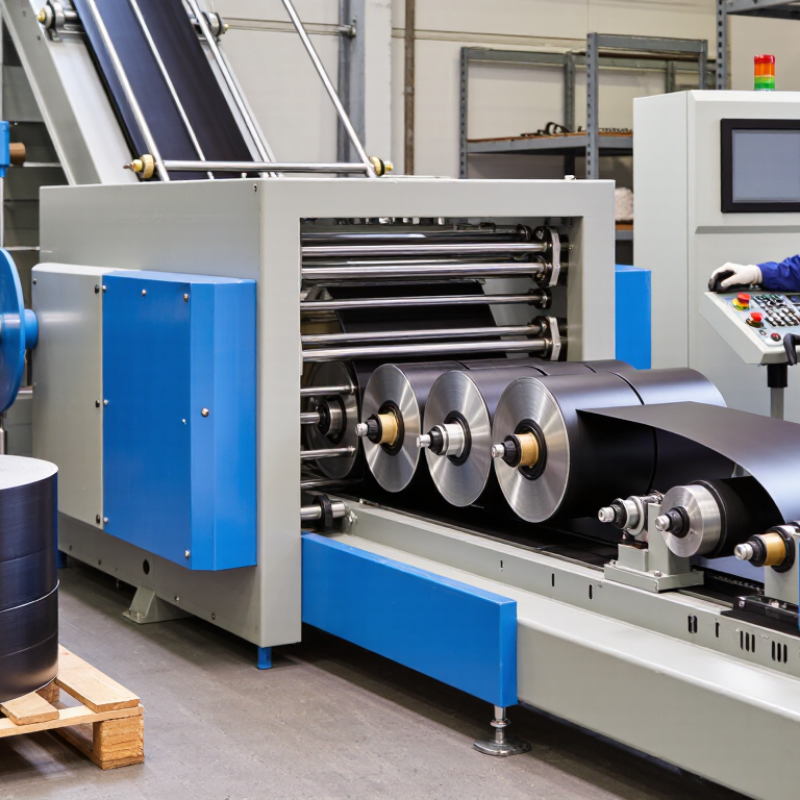
A conveyor belt slitting machine is industrial equipment designed to cut wide conveyor belt rolls into narrower, usable strips. It uses rotating knives, guiding rollers, tension controls, and a powered feed system. The belt passes through the machine under controlled pressure, while the blades create straight, consistent cuts.

This equipment is used when belt material must match a conveyor’s required width. It can prepare replacement belts, service strips, edge sections, and custom belt sizes for different conveying systems. In practical operations, technicians measure the belt carefully before cutting. A small measurement error can affect tracking, splice quality, and belt life. The machine also helps reduce manual cutting time and produces cleaner edges than many hand tools.

Good slitting depends on correct blade selection, stable tension, and regular inspection. Thick rubber belts may need stronger cutting assemblies, while thinner materials require gentler pressure. Operators should check for uneven wear, blade damage, and material movement during production. Training matters.

The process is not completely foolproof. Dust, temperature changes, and belt memory can influence cutting accuracy. Even a well-adjusted machine may need occasional correction. Experienced operators often make a test cut first, then inspect the edge under proper lighting. A clean edge should show no major tearing, curling, or crushed reinforcement.
How Does a Conveyor Belt Slitting Machine Work?

A conveyor belt slitting machine cuts wide rubber conveyor belts into narrower, usable widths. Its main job is accurate longitudinal cutting. This helps plants produce belts for different conveyor layouts without replacing the entire production line. Grand View Research valued the global conveyor belt market at about USD 5.85 billion in 2023. That scale reflects continuing demand for consistent belt processing.

How Does a Conveyor Belt Slitting Machine Work?

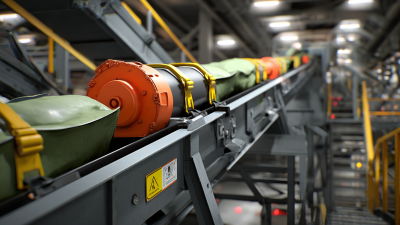
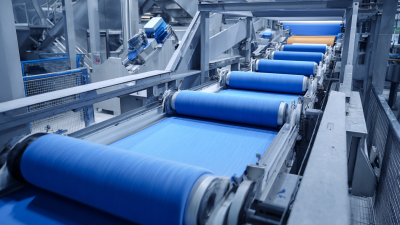
The operator places the belt on powered rollers or a flat cutting table. Measuring guides set the required width. A rotating circular blade, knife, or shear wheel then travels along the belt’s length. The machine controls feed speed and cutting pressure to reduce wandering edges. Some systems use laser or sensor alignment, but mechanical adjustment still matters. A small error at the start can become several centimeters across a long belt. That part is easy to underestimate.

The cut edges are checked for fraying, uneven thickness, and heat damage. ISO 14890 provides dimensional and performance requirements for many rubber conveyor belts, so measurements should be recorded against the correct specification. MHI’s 2024 industry report also highlights continued investment in automation and workforce productivity. Automation helps, but it cannot replace skilled inspection completely.

Tips: Clean the rollers before cutting. Confirm blade sharpness and belt tension. Measure both ends, not only the center. Operators sometimes trust the display too much. That habit deserves review. Record each cut width, speed, and defect, then adjust the next run carefully.

What Materials Can It Process?

What Is a Conveyor Belt Slitting Machine Used For?

What Materials Can It Process?

A conveyor belt slitting machine converts wide rolls into narrower, usable strips. Its material range depends on blade design, belt thickness, reinforcement, and surface coating. Rubber is the common starting point. It can process natural rubber, synthetic rubber, and textile-reinforced rubber belts. The International Rubber Study Group reported global rubber consumption of about 31 million metric tons in 2024. That scale shows why accurate roll conversion matters in industrial production. PVC and polyurethane belts are also widely slit for food handling, packaging, and light material transport. PlasticsEurope reported global plastics production at 400.3 million tonnes in 2022, supporting strong demand for polymer-based belt materials.

Other workable materials include silicone-coated belts, thermoplastic elastomers, woven fabrics, and nonwoven sheets. However, each material reacts differently under cutting pressure. PVC may soften from heat. Polyurethane can stretch near the blade. Fabric reinforcement may fray without a clean cutting edge. Not every polymer behaves well. In practical trials, operators should check hardness, thickness, tensile strength, and coating adhesion before production. A machine designed for rubber may damage thin thermoplastic belts. Steel-cord belts require specialized equipment and careful risk controls. Small errors matter. Industry specifications, including ISO 14890 guidance for covered conveyor belts, can help verify belt construction before slitting, although real production conditions still require testing.

What Are Its Main Industrial Applications?

What Is a Conveyor Belt Slitting Machine Used For?

What Are Its Main Industrial Applications?

A conveyor belt slitting machine cuts wide rubber or polymer belts into narrower, precise widths. Manufacturers use it when standard belt sizes do not match a customer’s conveyor design. The machine typically combines a rotating blade, guided rollers, tension control, and measuring equipment. In practical production, stable tension matters as much as blade sharpness. Poor alignment can create angled edges, uneven widths, or fraying.

Its main application is conveyor belt manufacturing and servicing. Factories slit large rolls into belts for warehouses, food-processing lines, packaging systems, and aggregate plants. Maintenance teams also use it to prepare replacement belts quickly. A clean longitudinal cut helps installers make accurate joints and reduce material waste. Different belt constructions require different settings. PVC, polyurethane, rubber, and reinforced belts may respond differently under pressure.

The equipment also supports logistics, agriculture, recycling, and light manufacturing. Narrow belts can carry cartons, grain, parcels, or recycled materials through limited spaces. Some workshops slit coated sheets before producing timing belts or specialized transmission components. Safety remains essential. Operators should check blade guards, emergency stops, belt tension, and dust control before cutting. A setting that worked yesterday may fail today. Temperature, belt age, and reinforcement can change the result, so trial cuts and width checks remain valuable. Exact performance depends on machine design, material condition, and operator judgment.

What Factors Should Guide Machine Selection?

A conveyor belt slitting machine cuts wide rubber, PVC, or fabric-reinforced belts into narrower, usable widths. It supports replacement work, custom conveyor layouts, and controlled material preparation. The machine can improve edge accuracy and reduce manual cutting damage. However, selecting one requires more than checking its advertised cutting speed.

Start with the belt itself. Measure its width, thickness, hardness, reinforcement, and surface texture. A blade suitable for a thin PVC belt may struggle with thick rubber. Check the required slit tolerance, roll diameter, and production volume. Machines with adjustable guides help maintain straight edges, while stable tension control prevents wrinkles during cutting. Operators should also inspect guarding, emergency stops, blade access, noise, dust control, and cleaning requirements. These details affect daily safety and reliability. A fast machine is not always the best machine.

Tips: Test a sample belt before purchase. Record the cutting result, edge condition, setup time, and operator effort. Ask whether common wear parts are easy to replace. Consider available power, floor space, and training needs. Small workshops may value flexible adjustment more than maximum speed. I have seen specifications look convincing, yet real belt tension changed the result. That is worth checking. Choose a machine that matches your materials, workflow, maintenance skills, and expected growth.