How to Choose the Best Air Rotary Hammer Drill for Your Needs?
Choosing the best Air Rotary Hammer Drill is crucial for any construction or DIY enthusiast. As expert tool consultant Jack Thompson states, "A reliable Air Rotary Hammer Drill can be a game changer." Understanding what features matter in a quality drill can make the difference between a successful project and a frustrating experience.
Air Rotary Hammer Drills are known for their power and efficiency. They can handle tough materials like concrete and brick with ease. However, selecting the right model can be overwhelming due to the vast array available. Factors such as weight, power source, and size should be considered. It's important to reflect on your specific needs when choosing.
While many drills offer impressive specifications, not all are suitable for every task. For instance, lightweight models might be ideal for home use but may lack the durability needed for heavy-duty work. Think about your unique requirements, and remember that sometimes what seems perfect on paper might not suit practical applications. Balancing features with real-world performance is key.
Understanding the Basics of Air Rotary Hammer Drills
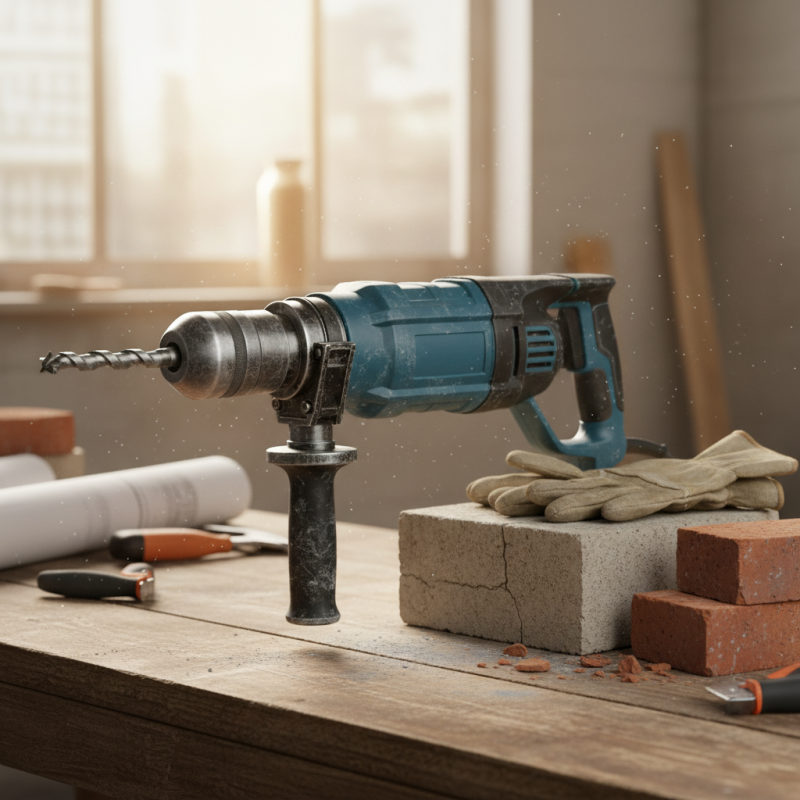
Air rotary hammer drills are essential tools for heavy-duty drilling tasks. They combine rotation with hammering action, making them ideal for concrete and masonry work. Understanding their basic components is crucial for choosing the right model for your specific needs.
The key feature of these drills is their impact mechanism. It generates a powerful force, enabling efficient drilling. The drill bit's diameter and length also matter. Larger bits handle tougher materials but require more power. On the other hand, shorter bits are easier to control in tight spaces. Many users overlook the importance of a good grip. A comfortable handle reduces fatigue during extended use.
Air hammer drills come in various sizes and power ratings. A drill that is too heavy might be cumbersome for DIY projects, while a lightweight model may not withstand intensive use. It's important to assess both the frequency and type of tasks you intend to perform. Many drills can be multifaceted, but focusing on your primary use helps guide the decision. Understanding these variables allows you to select a tool that aligns with your work requirements.
Key Features to Look for in Air Rotary Hammer Drills
When selecting an air rotary hammer drill, consider its key features for optimal performance. Power is paramount. A higher wattage usually indicates a stronger tool. Look for adjustable power settings to match different tasks. This can prevent damage during delicate jobs.
Another critical aspect is the weight of the drill. Heavier models may provide more stability but can lead to fatigue over extended use. A comfortable grip is essential. Ergonomic designs help reduce strain on your hands. Vibration control is vital as well. Tools with better vibration dampening enhance precision and comfort.
Lastly, check the compatibility of drill bits. A versatile hammer drill increases your options for various materials. You may find flaws in some models that limit this compatibility. Taking time to research these features can save you from costly mistakes later. Prioritize your needs before making a decision.
How to Choose the Best Air Rotary Hammer Drill for Your Needs?
| Feature |
Description |
Importance |
| Power |
Measured in horsepower (HP), essential for heavy-duty tasks. |
High |
| Weight |
Should be manageable, especially for prolonged use. |
Medium |
| Drilling Speed |
Variable speed settings for different materials. |
High |
| Vibration Control |
Reduces fatigue during extended use. |
High |
| Chuck Size |
Determines compatibility with drill bits. |
Medium |
| Accessories |
Includes drill bits, chisels, etc., for varied applications. |
Medium |
| Durability |
Constructed with strong materials for longevity. |
High |
Assessing Your Specific Drilling Needs and Applications
When considering an air rotary hammer drill, evaluate your specific drilling needs first. For instance, the type of materials you often work with shapes your choice. Concrete, brick, or masonry? Each requires different power levels and torque specifications. Reports indicate that a significant percentage of professionals prefer drills with at least 8-10 joules of impact energy for heavy-duty tasks. This can ensure efficiency and effective drilling in tougher materials.
Additionally, assess the scale and frequency of your projects. If you frequently tackle large-scale jobs, durability and comfort become paramount. Weight distribution matters. A tool that feels balanced can reduce fatigue during extended use. However, many operators often overlook this aspect. They choose power over comfort, leading to potential long-term injuries.
Finally, think about the versatility of the drill. Some models allow for various attachments, which can enhance functionality. A multi-purpose tool can reduce the need for multiple machines. However, it’s essential to recognize the trade-offs; a highly versatile drill may not excel at specific tasks. Balancing power, comfort, and functionality is key to making the right choice.
Drilling Performance Comparison of Different Rotary Hammer Drill Models
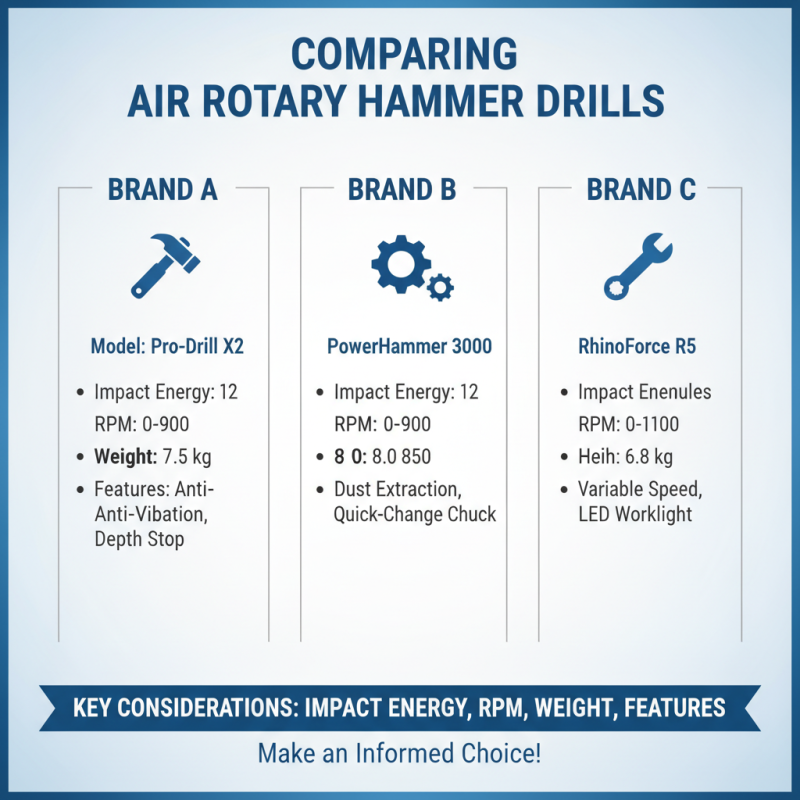
Comparing Different Models and Brands of Air Rotary Hammer Drills
Choosing the right air rotary hammer drill requires careful comparison of different models and brands. Each drill comes with unique features, which can significantly impact performance. The key to making an informed choice lies in understanding the specifications and capabilities of the drills available in the market.
For instance, a report from a leading tool industry analyst highlighted that drills with a high impact energy, typically over 5 Joules, are more efficient in breaking through harder materials. Some models excel in specific tasks, while others serve multiple purposes. An average user might lean towards versatility, but specialized tools often outperform general models. Features such as vibration control and weight distribution can also influence user comfort and operational efficiency, yet these may sometimes be overlooked.
Additionally, the build quality is essential. Many users report issues with the durability of cheaper models. It’s common to see complaints about overheating or motor burnout after extended use. This emphasizes the importance of selecting robust and tested options. The user experience varies widely; what works for one may not work for another. Personal requirements and job demands should guide the ultimate decision-making process.