How to Choose the Right Rubber Cutting Machine for Your Needs
Selecting the right Rubber Cutting Machine is crucial for optimizing production efficiency. In various industries, the demand for high-quality rubber products is rising. According to a recent report by Market Research Future, the global rubber machinery market is expected to grow at a CAGR of 4.5% by 2027. This signifies a strong trend towards innovative cutting technologies.
Choosing the best machine can be overwhelming. Different applications require different capabilities. Some machines excel in precision, while others focus on speed. It’s essential to assess the specific needs of your operation before making a decision. For instance, a manufacturer producing high-volume items may prioritize throughput. Meanwhile, a small shop might need a versatile machine capable of handling small batches.
Reflecting on this choice, one should consider both short-term and long-term needs. A cost-effective option may suffice now, but it could lack necessary features as production scales. Additionally, operators must ensure that the selected machine aligns with existing workflows. This attention to detail can prevent future difficulties and drive greater productivity. Therefore, investing time in evaluating different Rubber Cutting Machines pays off in the long run.
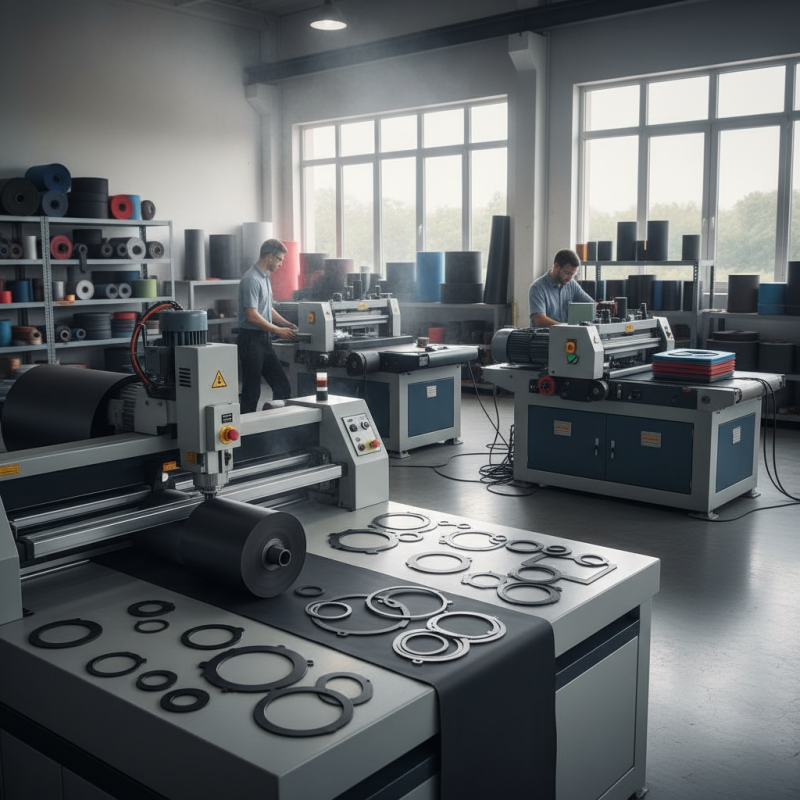
Understanding the Different Types of Rubber Cutting Machines Available Today
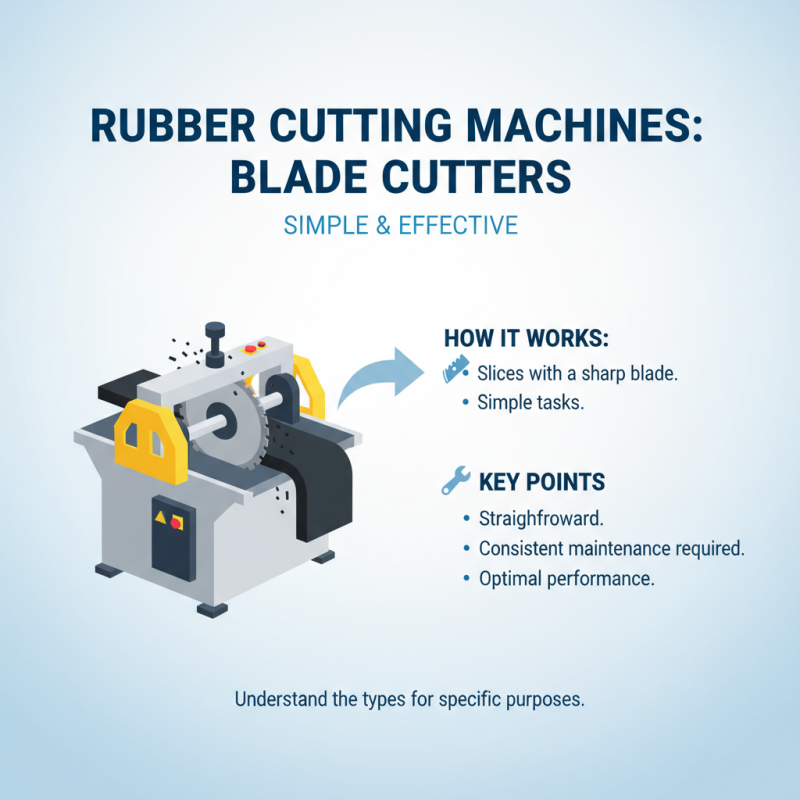
When selecting a rubber cutting machine, it's essential to understand the various types available. Each type serves a specific purpose. For instance, blade cutters are straightforward and effective for simple tasks. They operate by slicing through rubber with a sharp blade. However, these machines require consistent maintenance to ensure optimal performance.
Another option is the rotary cutting machine. This type uses rotating blades to achieve precise cuts. Many users appreciate its speed and efficiency. It can handle large volumes of rubber quickly. Yet, mastering this machine may take time and practice. Users often find themselves adjusting settings to achieve the best results.
Laser cutting machines have gained popularity for their precision. They create intricate designs with clean edges. However, they can be expensive to maintain. Additionally, operators may struggle with software compatibility. Investing time in training is crucial for success. When choosing a rubber cutting machine, consider your specific needs carefully. Balancing machine capabilities with your skill level is essential for effective utilization.
Key Specifications to Consider When Selecting a Rubber Cutting Machine
When selecting a rubber cutting machine, several key specifications should be prioritized. The cutting thickness is crucial; it determines the machine's ability to handle varying rubber types. Ideally, a versatile machine should accommodate different thicknesses. Look for a model that offers adjustable settings. This feature can enhance the machine's adaptability to diverse projects.
Another consideration is the cutting speed. A higher speed means increased efficiency. However, faster does not always mean better. Precision is also vital. An efficient machine should strike a balance between speed and accuracy.
Pay attention to the machine's overall build quality. A durable construction often leads to longevity. Additionally, consider the ease of operation. Complex controls can hinder productivity. An intuitive design can make training significantly easier. Ultimately, reflect on your specific needs and the typical rubber materials you plan to cut. Investing time in understanding these specifications will guide you in making a more informed choice.
Evaluating Production Capacity and Speed for Your Specific Needs
When selecting a rubber cutting machine, understanding your
production capacity and speed is crucial. Speed impacts efficiency
and overall output. It’s essential to align the machine's capabilities with your specific production goals.
Do you need high-volume cuts or precision
details? Finding that balance can be tricky. A machine that cuts swiftly might sacrifice detail.
Yet, a slower machine may not meet your production quotas.
Evaluate your specific needs carefully. Consider the thickness and type of
rubber you will be cutting. Machines designed for thicker materials may operate slower but offer more precise cuts.
Check if the machine can handle different rubber grades too. Flexibility in production is often a key factor for many businesses.
Adjusting to various requirements can be a game-changer.
Don't overlook maintenance and operational costs. An expensive machine with high speed but poor longevity
may not provide the best value. Sometimes, slower machines can be more reliable and cost-effective in the
long run. Therefore, reflect on the total costs associated with speed
and capacity. A more thorough assessment will lead you to the right choice.
Assessing Maintenance and Durability of Rubber Cutting Equipment
When selecting a rubber cutting machine, maintenance and durability are crucial factors to consider. Regular maintenance ensures optimal performance. According to industry reports, equipment that is well-maintained can last up to 40% longer than neglected machines. Routine inspections and timely part replacements are essential. Manufacturers recommend checking blade sharpness and motor performance at regular intervals. Neglecting these can lead to inconsistent cuts and reduced efficiency.
Durability is another vital aspect. Rubber cutting machinery is exposed to harsh conditions, which can accelerate wear and tear. A study by the Rubber Manufacturers Association indicates that up to 30% of machinery downtime results from maintenance issues. Choosing machines made from high-quality materials can mitigate this risk. Steel frames and durable components often outlast cheaper alternatives. However, some users overlook these factors, leading to early equipment failure. Always weigh the cost against the long-term benefits of durable equipment.
Furthermore, user training and operational practices affect longevity. Misuse can cause significant damage. Many operators do not fully understand machine limits. This can result in costly repairs and downtime. Proper training can drastically reduce these risks, ensuring that machines operate at their best for years. An investment in education pays off in reduced maintenance costs and increased productivity.
How to Choose the Right Rubber Cutting Machine for Your Needs - Assessing Maintenance and Durability of Rubber Cutting Equipment
| Machine Type |
Cutting Method |
Material Thickness (mm) |
Maintenance Frequency |
Average Lifespan (Years) |
Durability Rating |
| Automatic Hydraulic Cutter |
Hydraulic Cutting |
1-15 |
Monthly |
10 |
High |
| Band Saw Cutter |
Saw Cutting |
1-50 |
Weekly |
8 |
Medium |
| CNC Rubber Cutter |
Laser Cutting |
1-30 |
Quarterly |
12 |
Very High |
| Manual Hand Cutter |
Manual Cutting |
1-20 |
Rarely |
5 |
Low |
| Contour Cutting Machine |
Contour Cutting |
1-25 |
Biannually |
9 |
Medium |
Budgeting for Your Rubber Cutting Machine: Cost vs. Performance Analysis
When budgeting for a rubber cutting machine, it's crucial to balance cost and performance. A lower-priced machine might save money initially but can lead to higher operational costs. Inefficient cutting can cause wasted material and increased labor time. Consider how often you'll use the machine. Occasional projects may not justify a high-end model, while regular use demands reliability.
Analyze the features you genuinely need. Advanced functions can escalate costs. If you only need basic cutting, extra capabilities might be unnecessary. Also, evaluate the machine’s lifespan. Sometimes, a more expensive model offers better durability and value over time. Think about maintenance as well. A machine requiring frequent repairs can erode budget savings quickly.
Do not overlook your long-term operational needs. As your business grows, so might your cutting demands. A machine that fits today's budget might not suffice tomorrow. Make sure to factor in potential upgrades or expansions as you make your purchase decision. Balancing your current budget with future needs can be challenging but is essential for making the right choice.
Rubber Cutting Machines: Cost vs. Performance Analysis