Best Slitter Rewinder Machine for Efficient Production?
In the competitive landscape of manufacturing, choosing the right equipment is crucial. The "Slitter Rewinder Machine" stands out as a key player in the production process. Renowned industry expert, John Smith, once stated, "The right slitter rewinder can significantly enhance efficiency and reduce waste." His insight underlines the importance of selecting the best machine for optimal performance.
Efficiency is more than just speed; it’s about precision and reliability. A well-chosen slitter rewinder machine minimizes downtime and maximizes output. This combination is vital for businesses aiming to meet customer demands consistently. However, the market is flooded with options, making it challenging to find the ideal machine. Each model comes with its own features and capabilities, which can be overwhelming.
Moreover, the technology behind slitter rewinders is continually evolving. Companies must adapt to stay ahead, assessing their unique needs carefully. Investing in the right equipment is not just a purchase; it's a strategic decision. Each choice reflects a company’s commitment to quality and efficiency in production. An effective slitter rewinder machine leads to higher productivity, proving that thoughtful selection can significantly impact the bottom line.
Factors to Consider When Choosing a Slitter Rewinder Machine
Choosing the right slitter rewinder machine is crucial for optimizing production efficiency. Several factors influence this decision, impacting workflow and overall performance. First, consider the material types. Different materials, such as paper, film, or foil, require specific slitting techniques. According to a recent industry report, over 40% of production issues stem from incompatible materials and machinery. Understanding the material characteristics can aid in selecting the ideal machine.
Speed and tension control are key attributes to assess. The machine’s operational speed can dramatically affect output. A study by the Equipment Manufacturers Association found that machines with variable speed capabilities can increase production rates by up to 30%. Tension during the slitting process also plays a critical role. It ensures uniform cutting and reduces waste. Machines that offer precise tension control tend to produce better quality slits.
Tip: Always evaluate the machine's scalability. As production needs grow, so should your equipment's capabilities. Investing in adaptable machines can save costs in the long run. Focus on reliability metrics as well. Machines with a track record of minimal downtime lead to smoother operations.
Another important aspect is ease of operation. User-friendly controls can significantly decrease training time for staff. This factor can often be overlooked, yet it impacts your team’s efficiency. Moreover, maintenance requirements should not be ignored. Machines that are easy to maintain will reduce disruptions and prolong longevity. Balancing these considerations leads to a more informed and effective purchasing decision.
Types of Slitter Rewinder Machines and Their Applications
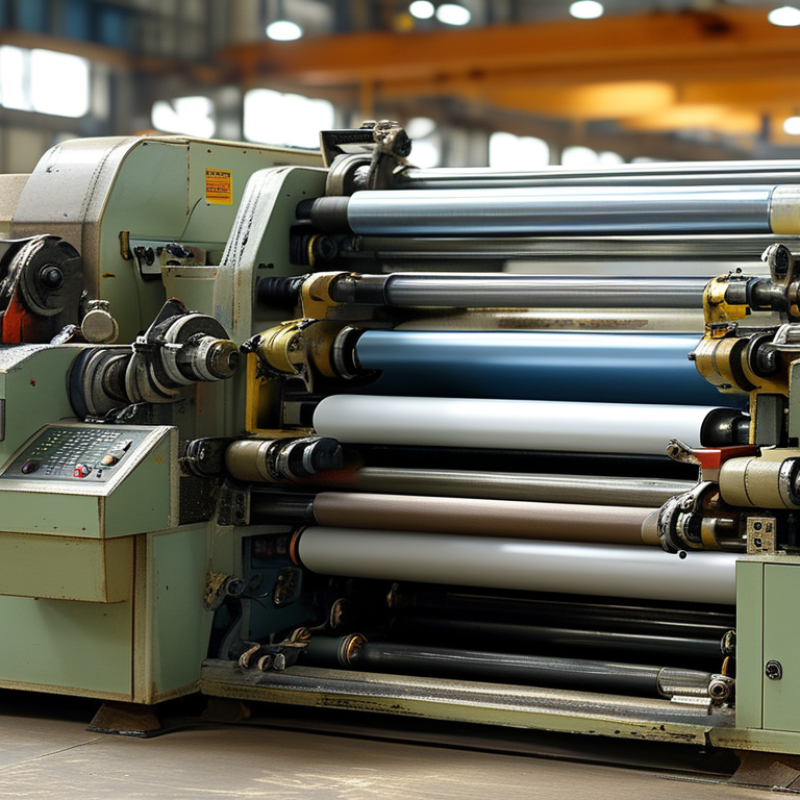
Slitter rewinder machines play a crucial role in various industries, particularly in converting processes. These machines slice large rolls of material into required widths and then rewind them for easier handling. The choice of the right type impacts efficiency and productivity.
There are several types of slitter rewinders. The shear slitter uses blades to cut through materials with precision. It is often employed for thicker materials like films and foils.
Then, there’s the razor slitter, utilizing razor blades for cleaner cuts. This type is ideal for thin materials such as labels and tapes. Each type has its unique applications, emphasizing the need for proper selection based on material characteristics.
Another option is the rotary slitter. This machine is great for high-speed production and can handle various material types efficiently. However, it might require more periodic maintenance due to its complex setup. Additionally, factors like material tension and speed can affect output quality.
Understanding these details is essential for optimizing performance. Overall, choosing the right slitter rewinder not only affects production efficiency but also the quality of the end product. Such decisions require careful consideration of specific production needs and challenges.
Key Features That Enhance Efficiency in Slitter Rewinder Machines
When selecting a slitter rewinder machine, efficiency is crucial. Key features can elevate performance and productivity. One such feature is adjustable speed control. It allows operators to fine-tune the machine's speed based on material type and thickness. This adaptability minimizes waste and optimizes the production run.
Another important aspect is tension control. Consistent tension ensures smooth feeding of the materials throughout the slitting process. Uneven tension can lead to misalignment, which impacts the quality of the final product. Machines equipped with advanced tension systems can significantly reduce these risks.
Moreover, automation features can enhance operational efficiency. Automated setups streamline the slitting process and reduce manual intervention. Operators can focus on monitoring instead of performing repetitive tasks. However, reliance on automation may lead to overconfidence in the machine's capability. Regular maintenance and calibration are essential to sustain performance and ensure reliability over time.
Maintenance Tips for Optimal Performance of Slitter Rewinder Machines
Regular maintenance is crucial for maximizing the performance of slitter rewinder machines. Keeping these machines in top shape ensures efficiency and prevents costly downtime. Check the blades frequently for wear and tear. Dull blades can lead to material damage and increased waste. It’s essential to replace blades at the first sign of decline.
Monitoring the tension of the material during the slitting process is another critical factor. Too much tension can cause tearing, while too little can result in improper slitting. Regularly inspect the tension mechanisms and make adjustments as needed. This not only enhances the quality of the finished product but also prolongs the life of the machine.
Lubrication plays a pivotal role as well. Lack of lubrication may result in overheating and mechanical failure. Determine a lubrication schedule based on the machine’s usage. Also, ensure that dust and debris are cleaned from the machine to prevent unnecessary wear. The more attention paid to these details, the longer the equipment will perform effectively. Frequent checks and small adjustments can lead to profound improvements in production efficiency.
Production Efficiency of Slitter Rewinder Machines
Comparative Analysis of Leading Slitter Rewinder Brands in the Market
When selecting a slitter rewinder machine, understanding the market is crucial. Numerous brands compete, each offering unique features. Some machines prioritize speed, while others focus on precision. Efficiency is vital for companies aiming for high production rates. In a busy factory, even minor hiccups can lead to significant downtime. An efficient slitter rewinder reduces waste and maximizes output.
Comparative analysis reveals patterns in technology and design. Some brands use advanced controls for improved operation. Others rely on robust construction, ensuring longevity and reliability. Users often report that ease of maintenance plays a crucial role. Machines that require less intervention can lead to smoother workflows. Yet, choosing a machine is not always straightforward. Inconsistent performance across different products can lead to frustration.
Investing in a slitter rewinder is a decision that impacts production. Careful consideration of each brand's strengths and weaknesses is necessary. Engaging with user reviews can provide insights on real-world performance. Not every machine meets every need. Recognizing the limitations of various models is crucial. Understanding your specific requirements is essential for making the right choice.
Best Slitter Rewinder Machine for Efficient Production
| Feature |
Machine A |
Machine B |
Machine C |
| Max Cutting Width |
1600 mm |
1800 mm |
1500 mm |
| Max Speed |
600 m/min |
500 m/min |
550 m/min |
| Slitting Accuracy |
±0.1 mm |
±0.2 mm |
±0.15 mm |
| Rewinding Diameter |
600 mm |
750 mm |
500 mm |
| Power Consumption |
4 kW |
5 kW |
4.5 kW |
| Control System |
PLC |
PLC |
Microcontroller |