What Are the 2026 Top Belt Roll Cutting Machine Types?
In 2026, the Belt Roll Cutting Machine market is becoming more specialized. Manufacturers now face different production goals, material widths, and cutting tolerances. A machine suitable for rubber belts may not suit coated fabric, conveyor belting, or reinforced industrial strips. Choosing by price alone can create costly waste.
This guide examines the main machine types used in modern belt roll processing. It considers manual, semi-automatic, servo-driven, CNC-controlled, and multi-blade configurations. Each type offers a different balance of speed, accuracy, flexibility, and maintenance demands. A small workshop may prefer a compact semi-automatic model. A high-volume plant may require automatic feeding, programmable widths, and synchronized blade control. The details matter.
Real production experience shows that cutting accuracy depends on more than the machine frame. Blade sharpness, roll tension, material hardness, and operator setup also affect the final result. Even a premium machine can produce uneven edges when the roll is poorly aligned. That point is often overlooked.
Not every “advanced” feature improves productivity. Some systems appear impressive but add unnecessary complexity for simple orders. Buyers should check sample cuts, service access, control-system reliability, and replacement blade availability. They should also compare actual cycle times, not only catalog figures. This comparison aims to provide a practical and balanced starting point. Some recommendations may change as materials, automation standards, and factory requirements continue to evolve.
What Is a Belt Roll Cutting Machine?
What Are the 2026 Top Belt Roll Cutting Machine Types?
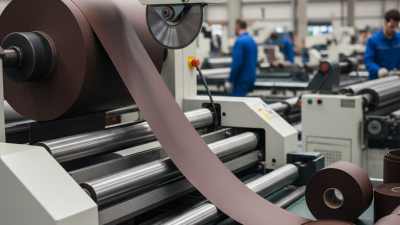
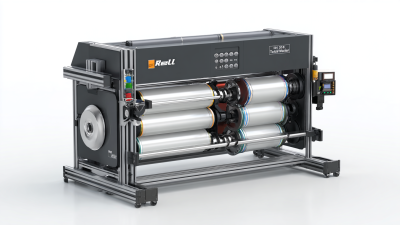
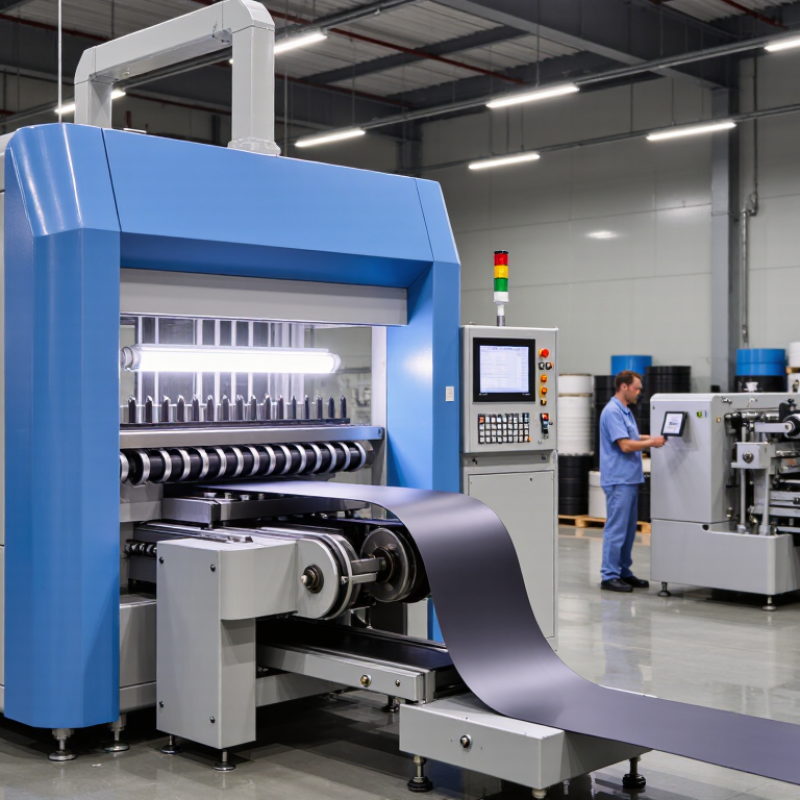
A belt roll cutting machine converts coiled belt material into accurate strips, sheets, or finished lengths. It usually combines a mandrel, tension control, cutting head, and programmable measurement system. Operators use it for rubber, PVC, PU, leather, and textile-reinforced belts. The machine cuts while the roll rotates, reducing manual handling and edge distortion.
The main 2026 types include rotary knife cutters, shear slitting machines, CNC blade cutters, and waterjet systems. Rotary knives suit repetitive narrow-strip production. Shear cutters create clean edges on thicker conveyor materials. CNC blade machines handle changing widths and digital job files. Waterjet cutting works well for complex profiles, but it costs more and uses more floor space. Grand View Research reported that the global conveyor belt market was valued at about USD 5.85 billion in 2023, with continued growth expected through 2030. This expansion supports demand for faster and more repeatable belt processing equipment.
Tips: Match the cutter to belt thickness, reinforcement, and required edge quality. Check tension stability before judging cutting accuracy. A low-cost machine may waste more material. I have seen specifications look impressive, yet poor roll alignment still creates uneven strips. Measure actual scrap rates, changeover time, and operator workload during trials. ISO 14890 guidance can also help when evaluating conveyor belt dimensions and performance.
What Are the 2026 Top Belt Roll Cutting Machine Types?
Belt roll cutting machines are commonly selected by cutting method and material behavior. The comparison below uses a practical 1–5 suitability scale, where 5 indicates strong suitability for the listed application.
Circular-knife systems are widely used for accurate roll slitting, razor systems suit thin films and tapes, hot-knife systems are useful for thermoplastic materials, and ultrasonic systems are suitable for delicate or layered nonwoven materials. Actual performance depends on blade design, roll diameter, material hardness, thickness, and machine configuration.
How Do the Main Belt Roll Cutting Machine Types Differ?
Belt roll cutting machines differ mainly in cutting method, automation level, and material control. A manual roll cutter uses a hand-operated blade and a simple measuring scale. It suits short runs, repairs, and workshops with varied belt widths. Operators can feel material resistance directly. However, output depends heavily on skill and steady pressure.
Semi-automatic machines add powered feeding, clamping, and adjustable width settings. They reduce repeated measuring and keep rolls more stable during cutting. This type works well for regular production with moderate volume. A rotary-knife design usually creates smooth, continuous cuts on flexible belt materials. A guillotine-style cutter applies a straight downward force. It can be better for thicker or firmer rolls, but blade alignment becomes critical.
Fully automatic or CNC-controlled machines manage feeding, positioning, and cutting through programmed settings. They provide stronger repeatability for large orders and multiple widths. Sensors may detect roll edges and reduce alignment errors. Yet automation does not remove every risk. Poor tension, uneven winding, or incorrect blade clearance can still damage the edge. I have found that operators sometimes trust digital settings too quickly. The machine may be precise, but the incoming roll may not be.
The practical choice depends on thickness, hardness, roll diameter, required tolerance, and daily workload. Ask for test cuts. Inspect edge straightness, surface compression, and waste percentage. A cheaper machine can become expensive when adjustment time grows. That detail is easy to miss.
Which Cutting Methods Define the 2026 Machine Categories?
In 2026, belt roll cutting machines are increasingly classified by the cutting action, not merely by frame size.
This distinction matters when converting wide rubber, PVC, or reinforced conveyor rolls into usable widths.
Slitting machines use circular knives that travel through the roll. They suit repeat production and narrow, consistent strips. Operators can adjust knife spacing, shaft pressure, and feed speed. A clean edge depends on all three.
Shear-cut systems use two blades passing closely, like industrial scissors. They create less tearing on flexible belts and often leave a smoother edge. This method is useful when surface texture must remain present near the cut.
Crush-cut machines press a hardened wheel through the material. They are mechanically simpler and can handle varied roll structures, but excessive pressure may flatten soft layers. That trade-off is easy to miss.
Guillotine or cross-cut machines define another category. They cut a roll across its width, producing sheets or fixed-length sections rather than continuous strips. Their value appears in repair kits, liners, and short production runs.
Some 2026 machines combine slitting and cross-cutting, with sensors checking roll diameter and alignment.
In practical installation work, calibration still matters more than advertised automation.
A small tracking error can become a visibly angled edge. Tests should include the actual belt compound, not a similar sample. This is where machine selection often needs another look.
What Materials and Industries Suit Each Machine Type?
For 2026, belt roll cutting machines should be matched to material behavior, not appearance. A guillotine or heavy-duty straight-blade cutter suits thick rubber conveyor belts, reinforced belts, and layered industrial sheets. It delivers strong crosscuts for mining, quarrying, logistics, and cement plants. Grand View Research valued the global conveyor belt market at about USD 6.6 billion in 2023 and expects continued growth through 2030. That expansion increases demand for repeatable cutting and safer maintenance work.
Rotary knife machines work better with PVC, polyurethane, coated fabric, and lighter rubber rolls. They support faster production in food processing, packaging, warehousing, and general manufacturing. For synthetic webbing, nylon, and polyester belts, hot-knife cutters seal the edge while cutting. This reduces fraying in automotive restraint components, luggage straps, and lifting products. However, heat can discolor materials or create unwanted fumes. Testing matters.
Ultrasonic cutters suit thermoplastic textiles and multilayer technical fabrics, especially where clean edges and low mechanical pressure are important. They can serve medical textiles, filtration, and specialized packaging. Smithers’ 2024 flexible packaging research reports continued growth in recyclable and lightweight formats, which favors precise web processing equipment. Still, not every “high-speed” machine performs well on dense reinforcement. Real factory floors are messier. Operators should check blade wear, roll hardness, edge quality, ventilation, and actual cycle time before purchasing. Industry reports guide the decision, but material trials remain more convincing.
How Should Buyers Compare 2026 Belt Roll Cutting Machines?
When comparing 2026 belt roll cutting machines, buyers should define the material before comparing prices. Rubber, woven fabric, leather, and coated belts behave differently under pressure. A machine that cuts a firm rubber roll cleanly may crush soft fabric edges. Confirm the roll width, outer diameter, core size, and material thickness. Small details matter.
Compare cutting methods carefully. Rotary-blade systems can support continuous production and consistent widths. Guillotine systems may suit thicker or stiffer rolls, especially when a straight cross-cut is required. Automated models reduce manual handling, while semi-automatic machines can offer simpler maintenance and lower entry costs. Ask for measured cutting accuracy, not only a catalogue claim. Request sample cuts using your actual material.
Safety and service deserve equal attention. Check guarding, emergency stops, blade replacement time, dust control, and operator access. A fast machine is not efficient if cleaning takes an hour each shift. Review motor power, cycle time, adjustment steps, and available training. Total cost includes tooling, electricity, maintenance, and rejected material. Buyers sometimes focus too heavily on speed. That is a mistake I have seen in production planning. A slower machine with stable edges may deliver better usable output. Also, do not ignore future changes. Your current roll may be narrow, but next year’s material could be wider or thicker.