2026 Best Pneumatic Rotary Hammer Drill for Buyers?
Choosing a Pneumatic Rotary Hammer Drill in 2026 means matching the tool to the work, not chasing the biggest specification. Buyers may need to drill anchor holes in concrete, break masonry, or handle repeated site tasks. Each job places different demands on impact energy, bit capacity, and operator control. The right choice should also fit the available air compressor. Check its pressure and airflow requirements against the compressor’s real output, not just its label. That matters. A mismatch can reduce performance and interrupt work.
This guide introduces the practical details buyers should compare before choosing a model. We’ll look at impact performance, chuck or shank compatibility, tool weight, vibration, and service needs. For crews working overhead or in tight spaces, balance and grip can matter as much as raw power. Ask how easily common wear parts can be inspected and replaced. Also consider noise, hose handling, and whether the tool suits the intended material and duty cycle. Product descriptions do not always make these trade-offs clear. Not quite. Specifications can help narrow options, but they cannot replace a hands-on check when one is possible. Use manufacturer documentation and verified operating requirements to confirm compatibility. The aim is a dependable shortlist, with enough detail to compare tools fairly and avoid paying for capacity your work rarely needs. Some needs will remain uncertain until the tool meets the actual job.
What Is a Pneumatic Rotary Hammer Drill and How Does It Work?
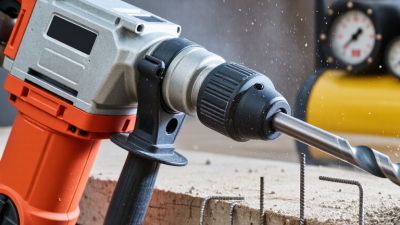
A pneumatic rotary hammer drill uses compressed air to create both rotation and repeated impact. Inside the tool, air moves a piston back and forth. That piston drives a striker, which hits the drill’s bit holder. At the same time, a rotating mechanism turns the bit through concrete, masonry, or other hard material. The blows help break material ahead of the cutting edges, so the operator does not need to press as hard as with a standard rotary drill. That impact matters.
In practice, the drill connects to an air compressor through a hose. The compressor must provide the pressure and airflow specified for the tool; too little can weaken performance, while a poorly matched setup may cause trouble. Choose a suitable masonry bit, secure the workpiece where possible, and keep both hands on the tool. Ear and eye protection are important, since the noise and flying dust can be considerable. Dust control matters, too.
Pneumatic models are often valued for sustained use in demanding work areas, but they depend on a reliable air supply. Their hoses can feel awkward in tight spaces. The distinction between rotary hammer drills and other pneumatic impact tools can also seem blurry: check whether a tool is designed to rotate a drill bit as well as deliver impacts. I would not assume every air-powered hammer can drill clean holes. Proper lubrication and routine inspection help, though maintenance details vary by tool.
Which Pneumatic Rotary Hammer Types Suit Different Jobs?
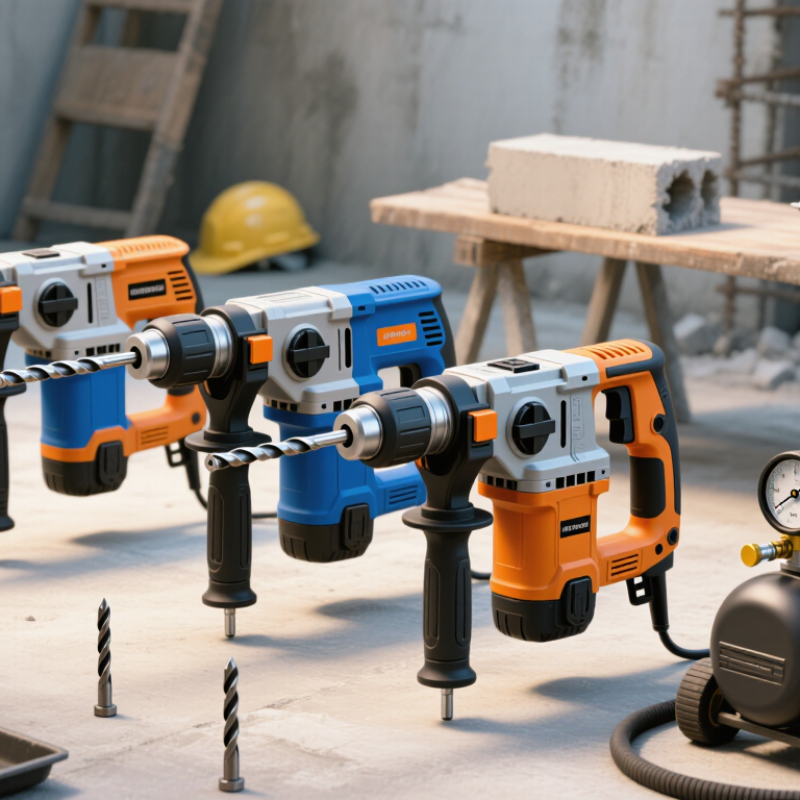
Compact pneumatic rotary hammers suit small anchor holes, light masonry, and overhead work. Their lower weight helps when drilling several holes in a wall. Check the tool’s impact energy and required air volume, not just its size. A small compressor may struggle to keep up during continuous drilling.
Medium-duty models handle repeated holes in concrete slabs and thicker block walls. They offer more impact force but need a steady air supply and a firm two-handed grip. Heavy-duty hammers are better for large-diameter holes, dense concrete, or demanding site work. They can feel cumbersome, especially on ladders or above shoulder height. More power is not always better.
Match the chuck and bit system to the task, and confirm that the compressor can maintain the tool’s stated pressure and airflow. On a job, a hammer that works well in a short test may slow down during a full row of holes. I would check vibration, hose movement, and dust control before committing. Small details matter. A lighter model can still cause fatigue if the grip is awkward.
What Specifications Matter When Comparing 2026 Models?
2026 Best Pneumatic Rotary Hammer Drill for Buyers?
What Specifications Matter When Comparing 2026 Models?
Compare impact energy, impact rate, operating pressure, and required airflow together. Impact energy indicates force per blow, while blows per minute describe striking frequency. Neither figure alone predicts drilling speed. Check airflow in cubic feet per minute at the stated pressure, then compare it with your compressor’s delivered capacity. A long, narrow hose can reduce pressure at the tool.
Air matters.
The U.S. Department of Energy’s 2016 Improving Compressed Air System Performance guide estimates that compressed air uses about 10% of industrial electricity, and can reach 30% in some facilities. That makes air consumption a practical ownership specification, not just a workshop detail. Also compare tool weight, chuck compatibility, and vibration emission.
ISO 28927-10:2011 sets a test method for vibration measurement on percussive drills and hammers; figures are more useful when manufacturers use the same method. I would not trust one headline number alone. Test the tool with your actual hose, bit, and material when possible. That trial may expose details a tidy specification sheet misses.
How to Choose the Best Pneumatic Rotary Hammer for Your Needs
Choosing a pneumatic rotary hammer starts with the material and hole size. Concrete, masonry, and occasional chipping place different demands on the tool. Check the impact energy and permitted bit diameter, not just the motor’s advertised power. Bigger is not always better.
Match the hammer to the compressor’s required air pressure and airflow. A compressor that cannot keep up may cause weak, uneven blows. Check the tool manual and compressor ratings together, including hose length and fittings. A practical test is drilling a short hole in similar material; note how quickly the tool works and whether its output stays steady. Small details matter.
Weight and vibration affect control during longer jobs. If possible, hold the tool with the intended bit installed and check whether its grip feels secure. Look for a suitable side handle, clear maintenance instructions, and readily available replacement chisels. Dust can obscure the work area, so plan appropriate dust collection and protective equipment. It is easy to underestimate fatigue. A hammer that feels manageable for one minute may feel very different after repeated holes.
What Safety and Maintenance Practices Extend Tool Life?
A pneumatic rotary hammer lasts longer when the air supply is clean, dry, and correctly regulated. Before changing a bit or clearing a jam, shut off the compressor and disconnect the hose. Bleed remaining pressure. Check the hose for cuts, soft spots, and loose couplings before each shift; a small leak can make the tool strike unevenly. Wear eye and hearing protection, secure the workpiece, and use dust extraction when drilling masonry. Keep hands clear of the bit and never force the tool sideways. That strains the chuck and can cause sudden binding.
After use, wipe dust from the housing and vents with a dry cloth. Follow the tool’s manual for lubrication: some pneumatic models need a measured amount of air-tool oil, while others specify different care. Too much oil can foul parts. Inspect the bit shank and retainer for chips or excessive wear, and replace damaged accessories. Store the hammer in a dry case with the air inlet protected from grit. It is tempting to skip checks during a busy job. I would not. A worn seal or clogged inlet may seem minor until power drops, and maintenance intervals can be easy to forget, so record service dates rather than trusting memory.