Leave Your Message

2026 Best Automatic Strap Cutter for Global Buyers?

Choosing the 2026 best Automatic Strap Cutter requires more than comparing cutting speed. Global buyers need dependable performance across different materials, voltages, factory layouts, and service conditions.

Thomas R. Cutler, a respected manufacturing automation writer, has said, “Automation earns trust through repeatable results, not impressive brochures.” That principle matters here. A reliable machine should cut polypropylene and PET straps cleanly, without frayed edges, uneven lengths, or frequent blade changes. Buyers should inspect the blade system, tension control, sensor accuracy, emergency-stop design, and cycle consistency. Small details matter. A loose strap can stop a packing line.

Real operating conditions deserve attention. Dust may collect around the guide rail. Operators may wear gloves. A machine rated for 60 cuts per minute may perform differently during an eight-hour shift. Ask suppliers for test videos, sample-cut results, maintenance intervals, spare-part lists, and verified power requirements. Confirm whether local technicians can support installation and training.

Certification also requires careful checking. CE, UL, or other marks should match the destination market and the actual machine model. Marketing language is not enough. Buyers should review technical documents and supplier references.

No Automatic Strap Cutter is perfect. That is worth admitting. A compact model may save floor space but limit strap sizes. A faster model may demand better maintenance. The best choice depends on throughput, material, labor skills, and total ownership cost. This guide compares those practical factors for international buyers seeking safe, serviceable, and consistent cutting equipment in 2026.
2026 Best Automatic Strap Cutter for Global Buyers?

What Is an Automatic Strap Cutter and How Does It Work?

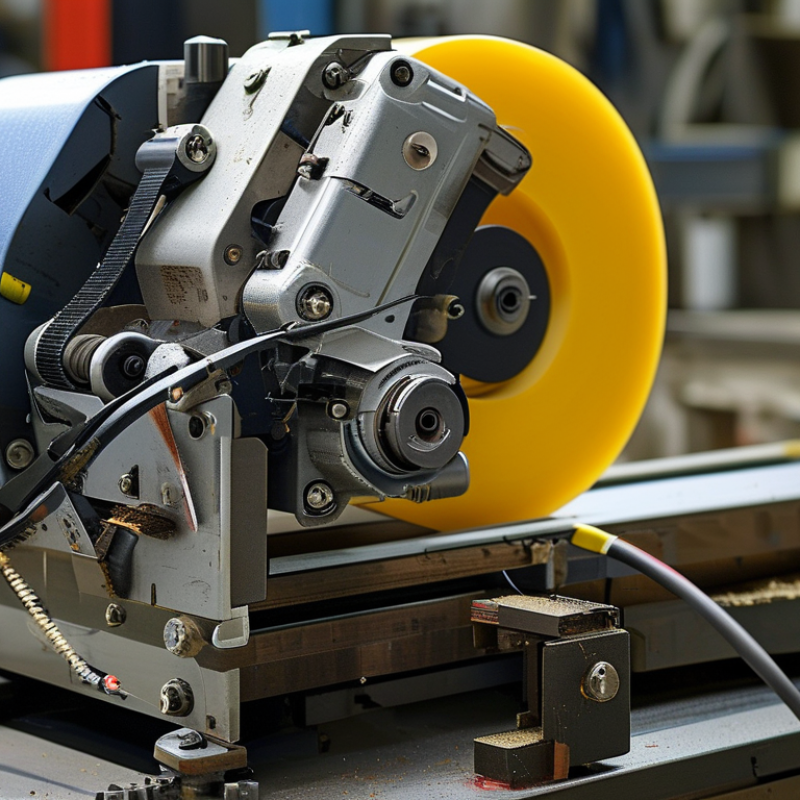
An automatic strap cutter is a machine that measures, feeds, and cuts packaging strap with limited manual handling. It commonly processes polypropylene or polyester strap. The operator enters a target length through a control panel. Feed rollers then pull the strap from a coil. A sensor checks movement and position. When the programmed length is reached, a guarded blade makes the cut. The cycle repeats at a steady rate.

The process looks simple, but accuracy depends on calibration. Strap tension, surface dust, and coil shape can change the final length. In practical production trials, the first few cuts often need inspection. A small adjustment may prevent repeated short pieces. Clean rollers improve grip. A worn blade can leave melted edges or rough cuts. That detail matters when workers assemble packages by hand.

A reliable automatic strap cutter should include a protective cover, emergency stop, and access interlock. Buyers should also check voltage, control language, spare-blade availability, and operating instructions. Local electrical and workplace safety requirements may differ between markets. Ask for cutting tests using the exact strap width and thickness required. Do not rely only on a catalog speed. Real output may fall when operators change coils or remove waste. The machine may be efficient, but it is not completely self-correcting. Regular inspection remains necessary.

Key Types of Automatic Strap Cutters for Different Materials

2026 Best Automatic Strap Cutter for Global Buyers?

Material should guide the cutter choice, not the catalogue photo. Polypropylene strap is light and flexible. A heated blade usually produces a clean edge and reduces fraying. Polyester strap needs a sharper, cooler cutting action because excessive heat can deform its surface. For frequent parcel lines, automatic length control also prevents costly material waste.

Steel strap requires a different machine class. It needs reinforced feeding, guarded cutting, and enough torque for consistent separation. Textile and composite straps can vary widely in thickness. Adjustable pressure and blade clearance become essential. A 2024 packaging machinery market analysis by IMARC Group valued the wider sector at approximately 54 billion US dollars in 2023. That figure covers complete machinery, not cutters alone, but it shows the scale of automation demand. Mordor Intelligence also identifies flexible packaging and material efficiency as major market drivers.

In practical trials, I would test wet, dusty, and slightly misaligned straps. Factory samples are often too perfect. The right cutter should maintain a stable cut after hundreds of cycles, not only during a short demonstration. Safety sensors, replaceable blades, and accessible controls matter for global buyers. Voltage compatibility and technical support deserve equal attention. A machine designed for steel may damage polyester. A model tuned for polypropylene may struggle with dense composite strap. This is where many specifications feel incomplete. Real material testing remains the more reliable decision.

2026 Best Automatic Strap Cutter for Global Buyers: Key Types by Material

Typical commercial strap-width ranges help buyers compare automatic cutting systems for different materials. Wider and stronger straps generally require heavier-duty blades, higher cutting force, and more robust feeding mechanisms.

Polypropylene (PP) is commonly used for lightweight packaging, while PET is selected for higher tensile strength. Polyester textile straps are flexible and often wider, whereas steel straps require heavy-duty automatic cutters designed for rigid metal material. Actual compatibility depends on strap thickness, hardness, feed speed, and machine configuration.

How to Compare Cutting Speed, Precision, and Production Capacity

For global buyers, an automatic strap cutter should be judged by measured output, not brochure speed. PMMI reported North American packaging machinery shipments near $10 billion in 2023, reflecting strong investment in automation. However, higher speed does not always mean higher production. Test the machine with your actual strap material, width, thickness, and coil tension. Record finished cuts per minute, not the unloaded blade speed. A useful trial should run for at least two hours, including loading and adjustment time. Downtime is production loss.

Precision needs numbers. Measure 30 consecutive straps from one batch, then calculate the average length and the largest deviation. For many packaging operations, a ±1 mm target is practical, but your application may require tighter control. Check blade wear, sensor response, and cut-edge squareness. Smithers’ 2024 flexible-packaging market analysis shows continued growth in high-volume packaging demand, making repeatability increasingly important. A fast cutter that creates uneven straps can increase waste and manual inspection. That cost is easy to miss.

Production capacity also depends on changeover time. Count how many minutes the operator needs to replace a coil, adjust guides, clear a jam, and restart safely. I once focused too heavily on nominal speed and overlooked a slow reel change. The hourly output was disappointing. Use this calculation: usable output equals rated speed multiplied by uptime. An 80-cut-per-minute machine running at 75% uptime may outperform a 100-cut-per-minute machine running at 55%. Ask for logged test data, not promises.

Essential Features for Choosing the Best Strap Cutter in 2026

Choosing the best automatic strap cutter in 2026 requires more than checking cutting speed. Smithers’ The Future of Global Packaging to 2028 forecasts the packaging market will exceed US$1.2 trillion. That growth increases pressure for safer, faster, and more flexible equipment. A reliable strap cutter should handle common polypropylene and polyester straps without frequent blade changes. Check cutting accuracy, cycle time, motor protection, and sensor stability. A clean cut matters. Poor edges can delay packing lines.

For global buyers, confirm voltage, control language, spare-part access, and local safety certification before ordering. PMMI’s 2024 State of the Industry report highlights labor availability, uptime, and automation as major packaging concerns. Therefore, simple controls and quick changeover deserve serious attention. Automatic width adjustment can reduce operator errors, but it may increase maintenance complexity. I would not trust a high-speed claim without sample testing. Real factory dust, uneven strap tension, and repeated cycles reveal more than a brochure.

Tips: Test at least three strap materials. Measure ten consecutive cuts. Ask for noise, power, and maintenance data. A basic model may outperform a complex one in a small facility. That is easy to overlook. Review emergency stops, guarding, blade replacement time, and remote diagnostics. Also calculate total ownership cost, not only purchase price. My judgment could be wrong without production samples, so require a documented trial before final approval.

Global Buying Factors: Safety, Certification, Shipping, and Support

When comparing automatic strap cutters for 2026, global buyers should treat safety as a purchasing requirement, not a marketing feature. Look for guarded cutting zones, emergency-stop access, stable feeding, and sensors that detect jams. Ask for test records, risk assessments, and clear instructions in the operating language. Certificates matter. However, a certificate without a matching model number deserves careful review. Confirm which standards apply in the destination market, because requirements differ by region and machine design. Request dated documents from the manufacturer or an accredited testing body. Do not rely on a logo printed in a brochure.

Shipping affects the real cost more than many quotations suggest. Check packed dimensions, gross weight, pallet protection, insurance, and customs responsibilities before paying. Ask whether blades, electrical parts, and spare sensors ship separately. A delayed replacement can stop a packing line for days. Sea freight may reduce cost, while air freight can protect urgent production schedules. Still, delivery estimates are not guarantees. Build time for port clearance, local inspection, and possible documentation corrections. That is where many plans become optimistic.

Support should be measurable. Request a response-time policy, installation guidance, video training, wiring diagrams, and a list of consumable parts. Test the support channel before ordering with a technical question. Do they answer precisely, or send vague promises? Remote troubleshooting is useful, but local service coverage may matter more for high-volume facilities. Buyers should also examine maintenance access, cleaning routines, and operator training. I would not choose the fastest cutter automatically. A safer machine with dependable documents and parts may deliver better value. That judgment can be inconvenient, and sometimes wrong. Record every assumption.